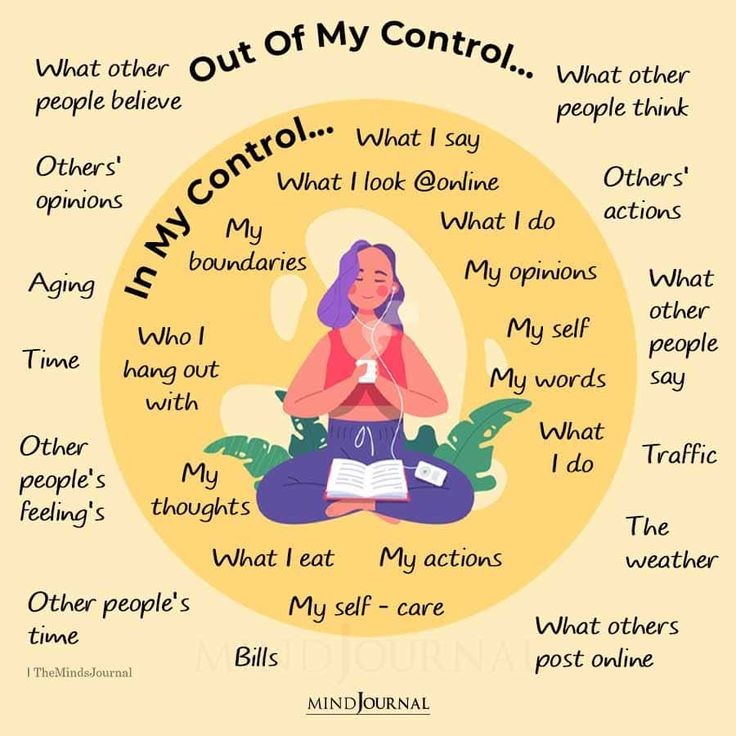
The Power of Positive Affirmations: A Tale of Transformation


Once upon a time in a bustling city, there lived a woman named Emily. Emily was an ordinary woman with ordinary dreams, but she often found herself overwhelmed by self-doubt and negativity. It seemed as though life’s challenges were constantly getting the best of her.

One gloomy evening, as Emily sat by her window, she decided she had had enough. She yearned for a change, a way to break free from the cycle of negativity that seemed to follow her like a shadow.

Emily had heard about positive affirmations from a friend, who swore by their magical effects. Intrigued and desperate for change, Emily decided to give them a try.

The Beginning of Transformation:

Emily began her affirmations journey with a simple phrase: “I am capable“. She repeated it to herself every morning and every night. At first, it felt awkward and insincere, but she persevered.

Weeks turned into months, and something incredible started to happen. Emily noticed that she was approaching challenges with newfound confidence. She no longer questioned her abilities but instead believed in herself. The phrase “I am capable” had begun to manifest in her life.

Benefits Unveiled:

Inspired by her initial success, Emily expanded her repertoire of affirmations. She added phrases like “I am worthy of love and respect” and “I attract positivity and abundance“. Each affirmation was carefully chosen to address her specific insecurities and doubts.

The transformation was astonishing. Emily’s self-esteem soared, and her outlook on life became remarkably positive. She found herself attracting opportunities she had only dreamed of before. It was as though the universe had conspired to grant her wishes.



Overcoming Obstacles:

Emily’s journey wasn’t without its challenges. There were days when doubt would creep back in, but she had armed herself with a powerful arsenal of affirmations. During those moments, she would close her eyes, take a deep breath, and repeat her affirmations like a mantra.

Over time, this practice helped Emily navigate life’s storms with grace and resilience. She no longer allowed setbacks to define her worth but saw them as opportunities for growth.


Sharing the Magic:

Emily’s transformation didn’t go unnoticed by her friends and family. They saw the radiant positivity that now emanated from her, and they wanted to know her secret. Emily shared her story and introduced them to the world of positive affirmations.

Her friend Sarah, who had always struggled with self-doubt in her career, started using affirmations like “I am a capable and confident professional“. Slowly but surely, Sarah began to see her work in a new light, and she started receiving recognition and promotions.



Conclusion:

Emily’s journey from self-doubt to self-belief through positive affirmations is a testament to their incredible power. Through the simple act of repeating positive statements, she transformed her life, attracting happiness, success, and inner peace.

Positive affirmations aren’t just words; they are the seeds of transformation. They have the potential to reshape your self-image, boost your confidence, and open doors to opportunities you never thought possible. So, if you find yourself trapped in a cycle of negativity, remember Emily’s story, and give positive affirmations a chance to work their magic in your life too.


Mindful morning routine: A Journey to Inner Peace


In the hustle and bustle of modern life, taking a few moments to engage in mindfulness can set a harmonious tone for the entire day. Let’s embark on a creative exploration of how to craft a mindful morning routine that nourishes your mind, body, and soul.


1. Rise with the Sun:
Embrace the soft rays of the rising sun as it blankets the world in gentle hues.

2. Morning Gratitude Practice:
Start your day with a warm cup of gratitude. Reflect on the blessings that surround you and set a positive tone for the hours ahead.

Read more on gratitude: https://selfcarehints.health.blog/2023/08/20/the-power-of-gratitude-incorporating-of-gratefulness-in-daily-life/


3. Yoga and Stretching:
Unwind your body and mind through a series of gentle yoga poses and stretches. Allow your breath to guide your movements, cultivating a sense of presence.


4. Mindful Eating Breakfast:
As you prepare your breakfast, engage all your senses in the process. Feel the texture of the ingredients, inhale the aromas, and savor each bite mindfully.


5. Nature Connection Morning:
Step outside and connect with the natural world. Take a leisurely walk, listen to the rustling leaves, and feel the earth beneath your feet.


6. Morning Digital Detox:
Resist the urge to reach for your phone immediately. Instead, spend the first hour of your day unplugged from screens, allowing your mind to awaken at its own pace.

Read more on digital detox: https://selfcarehints.health.blog/2023/08/23/unplugging-and-digital-detox-rediscovering-yourself-in-a-digital-world/


7. Morning Journaling Practice:
Pour your thoughts onto paper, allowing your innermost feelings and aspirations to flow freely. This practice clears mental clutter and paves the way for focused intention.


8. Breathing Exercises:
Engage in deep breathing exercises to center your mind and energize your body. Let each inhale and exhale be a reminder of the present moment.


9. Creative Expression:
Indulge in a creative activity that brings you joy, whether it’s painting, writing, reading or playing an instrument. This expressive outlet nurtures your soul.


10. Setting Daily Intentions:
Before you dive into your daily tasks, set clear intentions for how you want to show up in the world.


Embrace the calm of a mindful morning to set a positive tone for your day. By practicing gratitude, yoga, nature connection, and other mindful activities, you’ll cultivate a sense of peace and focus. Remember, starting your day with intention and presence can lead to a more fulfilling and centered life.

Self-care on a Budget: Affordable Ways to Prioritize Yourself


Self-care is essential for maintaining mental, emotional, and physical well-being. However, you don’t need a hefty wallet to take care of yourself. Here are some budget-friendly self-care ideas that will help you prioritize yourself without breaking the bank.


1. Embrace Nature:
Spending time in nature can be incredibly rejuvenating. Take a walk in the park, go for a hike, or simply sit outdoors and soak up the sun. Connecting with nature is a great way to relax and clear your mind.


2. DIY Spa Day:
Pamper yourself with a DIY spa day at home. Run a bubble bath, light some candles, and put on soothing music. You can create homemade face masks, exfoliants, and even give yourself a relaxing massage.


3. Mindfulness Meditation:
Practice mindfulness meditation to reduce stress and anxiety. Find a quiet space, sit comfortably, and focus on your breath. Guided meditation apps and videos can also be helpful.


4. Creative Outlet:
Engage in a creative activity that brings you joy. Whether it’s drawing, coloring, writing, or playing a musical instrument, expressing yourself creatively can be incredibly therapeutic.


5. Exercise:
Physical activity is a fantastic way to care for yourself. You don’t need a gym membership – simple exercises like jogging, yoga, pilates or bodyweight workouts can be done at home.


6. Unplug from Technology:
Take a break from screens and social media. Unplugging for a while can help reduce stress and improve your mental well-being.


7. Connect with Loved Ones:
Spending time with friends and family is a wonderful form of self-care. Plan a movie night, have a picnic, or just catch up over a cup of tea.


Conclusion:
Prioritizing self-care doesn’t have to be expensive. These affordable activities can help you relax, recharge, and show yourself the love and attention you deserve.

Remember, self-care is about finding what makes you feel good and incorporating it into your routine regularly. Your well-being is worth investing in, even on a budget.

Unplugging and Digital Detox: Rediscovering Yourself in a Digital World

Unplugging and taking a digital detox can be a refreshing way to reconnect with yourself, your thoughts, and the world around you. In this blog, we’ll explore the idea of unplugging, its benefits, and how you can easily incorporate a digital detox into your life.


1. The Digital Age Dilemma:
Our digital devices keep us connected but often at the cost of disconnecting from our own selves. Constant notifications, emails, and social media updates can create a sense of information overload and make us feel like we’re always “on.”


2.The Art of Unplugging:
Unplugging is about intentionally taking a break from screens and devices. It’s an opportunity to step back, breathe, and focus on the present moment without the distractions of technology.


3.Benefits of a Digital Detox:
Unplugging offers numerous benefits, such as reducing stress, improving sleep, enhancing mindfulness, and fostering stronger real-life connections. When you disconnect from screens, you create space for more meaningful experiences.


4.Choosing Your Digital Detox:
The duration of your digital detox is up to you. It could be a few hours, a day, a weekend, or even longer. Choose a period that feels manageable and aligns with your schedule.


5. Plan Ahead:
Inform friends, family, and colleagues about your digital detox so they know you might not be reachable for a while. Set up an out-of-office message for your emails and let your close contacts know you’re taking some time offline.


6.Digital Detox Activities:
During your digital detox, engage in activities that bring you joy and allow you to connect with yourself and others. Read a physical book, go for a walk, have a face-to-face conversation, practice mindfulness, or indulge in a hobby you love.


7. Reflect and Reconnect:
Use your digital detox as an opportunity to reflect on your goals, aspirations, and the things that truly matter to you. Reconnect with your own thoughts, dreams, and feelings without the constant influence of digital distractions.


8. Establish Boundaries:
After your digital detox, consider setting healthier boundaries with technology. Decide on specific times during the day when you’ll check your emails and social media. This way, you’re in control of your screen time.


Unplugging and taking a digital detox might seem challenging at first, but it’s a rewarding journey that can help you rediscover yourself in a meaningful way. By disconnecting from screens, you’ll reconnect with the present moment, your thoughts, and the world around you. Remember that it’s not about completely eliminating technology but about finding a healthier balance between the digital and the analog aspects of your life. Embrace the opportunity to unwind, reflect, and create space for genuine connections, both with yourself and with others.


Nurturing Your Nature: Self-Care for Introverts and Extroverts

Self-care isn’t one-size-fits-all; it’s a personal journey that varies based on individual needs and preferences. Introverts and extroverts, two distinct personality types, have different ways of recharging and finding inner balance. In this blog, we’ll delve into the world of self-care for introverts and extroverts, helping you understand your unique needs and crafting a self-care routine that aligns with your nature.


1.Introverts: Embracing Solitude for Renewal:
Introverts tend to feel recharged when they spend time alone or in quiet environments. They thrive on introspection and deeper connections with a few close friends.


Solitude and Reflection: Introverts can benefit from setting aside alone time to reflect, journal, or simply be in quiet surroundings. It’s time to recharge their energy and process thoughts.

Creative Pursuits: Engaging in creative hobbies, such as painting, writing, or playing a musical instrument, allows introverts to express themselves and find joy in solitude.

Meaningful Conversations: Rather than socializing in large groups, introverts often prefer one-on-one or small group conversations that allow for deeper connections and meaningful discussions.


2.Extroverts: Energizing Through Social Interaction:
Extroverts draw their energy from being around others and engaging in social activities. They thrive on interaction and external stimuli.

Social Gatherings: Extroverts find joy in socializing and being part of group activities. Regular gatherings with friends or participating in team sports can be rejuvenating.

Networking and Connections: Extroverts can prioritize building and nurturing relationships. Networking events, parties, and group activities help them feel connected and engaged.

Mindful Socializing: Engaging in mindful social interactions, where extroverts are fully present and engaged, can be more fulfilling than spreading themselves too thin across numerous events.


3.Balance and Flexibility:
While introverts and extroverts have distinct preferences, it’s essential to strike a balance and remain flexible in self-care routines.

Introverts Can Socialize: Introverts can benefit from occasional social interaction, even if it’s on a smaller scale. It’s about quality over quantity.

Extroverts Need Rest:Extroverts should also allocate time for themselves to recharge. Quiet moments of introspection can be refreshing and lead to personal growth.


Understanding your introverted or extroverted nature is key to tailoring a self-care routine that truly rejuvenates and sustains you. Whether you find solace in solitude or thrive through social interactions, self-care is about honoring your needs and nurturing your well-being. By embracing your unique qualities and crafting a self-care routine that aligns with your nature, you can lead a more balanced, fulfilling life that supports your emotional, mental, and physical health.

Are u an introvert or extrovert?comment.

The Power of Gratitude: Incorporating of Gratefulness in Daily life

In the hustle and bustle of our daily lives, it’s easy to get caught up in our routines and forget the little things that make life beautiful. Gratitude, the practice of appreciating and acknowledging the positive aspects of life, has the power to transform our outlook and enhance our well-being. In this blog, we’ll explore the incredible benefits of gratitude and share simple ways you can incorporate this practice into your daily routine.


1.Why Gratitude Matters:

Gratitude isn’t just a fleeting feeling; it’s a way of thinking that can bring about lasting positive changes in our lives.

• Boosts Happiness: When we focus on what we’re thankful for, we feel happier and more content with our lives.

• Reduces Stress:Gratitude has a calming effect on our minds, helping us manage stress and anxiety better.

• Strengthens Relationships:Expressing gratitude fosters deeper connections with others and helps us appreciate the people in our lives.

• Enhances Mental Health:Regularly practicing gratitude can improve our overall mental well-being.

2.Incorporating Gratitude:

Adding gratitude to your daily routine doesn’t have to be complicated. Simple steps can lead to significant positive changes.

• Gratitude Journal:Set aside a few minutes each day to jot down things you’re thankful for. It could be a sunny day, a kind word from a friend, or a delicious meal.

• Morning Gratitude:Start your day by thinking of three things you’re grateful for. It sets a positive tone for the rest of the day.

• Thank You Notes:Express your appreciation to someone with a heartfelt thank you note. It could be a family member, coworker, or even a stranger who made your day better.

• Mindful Moments:During your day, take a pause to appreciate something small—a beautiful flower, a warm cup of tea, or a cozy moment at home.

3.Gratitude in Action:

• Grateful Mealtime:Before eating, take a moment to silently express gratitude for the food in front of you and the people who made it possible.

• Evening Reflection:Before bed, reflect on the positive moments of your day. It helps you sleep better with a sense of contentment.

• Kindness Ripple:When you experience someone’s kindness, pay it forward. This creates a chain of gratitude and goodwill.


Conclusion:

Gratitude is a beautiful gift you can give yourself. By embracing the practice of being thankful, you invite more positivity, happiness, and fulfillment into your life. From simple daily reflections to acts of kindness, every effort to express gratitude enhances your well-being and spreads positivity to those around you. Start small, and watch how the power of gratitude transforms your perspective and enriches your daily life.

Embracing You: A Guide to Loving Your Body and Building Self-Acceptance

Loving your body and feeling good about yourself is an important journey that many people go on. Sometimes, it can be tough when we see images in the media that make us feel like we need to look a certain way. But guess what? You are unique and wonderful just the way you are! In this blog, we’ll explore simple ways to cultivate a positive body image and embrace self-acceptance, so you can feel more confident and happy in your own skin.

Affirmation of the day


1. Focus on What Your Body Can Do:
Instead of just thinking about how your body looks, try to appreciate what it can do. Maybe you can dance, run, hug, or even just smile! Our bodies are incredible, and they help us experience life in so many ways. Shift your focus from appearance to the amazing things your body can accomplish.

2. Speak Kindly to Yourself:
Imagine if you spoke to your friends the way you sometimes speak to yourself. Not very nice, right? Treat yourself like you would treat a good friend. Use positive words and be gentle with yourself. Every time you catch yourself being negative, replace it with something positive about yourself.

3. Surround Yourself with Positivity:
Fill your life with people, books, and social media accounts that celebrate diverse body types and encourage self-love. Unfollow accounts that make you feel bad about yourself and follow ones that promote body positivity and self-acceptance. Surrounding yourself with positivity can boost your self-esteem.

4. Practice Gratitude:
Every day, take a moment to think about something you’re grateful for about your body. Maybe you’re thankful for your strong legs that help you walk, or your eyes that allow you to see the world. Practicing gratitude can help shift your focus from what you don’t like to what you appreciate.

5. Stop Comparing Yourself:
It’s easy to compare ourselves to others, but remember that everyone is unique. Comparing yourself to others only makes you feel bad and takes away from your own amazing qualities. Instead of comparing, celebrate your own progress and achievements.

6. Wear Clothes That Make You Feel Good:
Wearing clothes that you feel comfortable and confident in can boost your self-esteem. Dress in a way that makes you happy and expresses your personal style. Don’t worry about following fashion trends if they don’t make you feel good.


Conclusion:
Embracing a positive body image and practicing self-acceptance is a journey that takes time, but it’s worth it. Remember that your worth isn’t determined by how you look, but by the unique qualities that make you who you are. Treat yourself kindly, focus on what your body can do, and surround yourself with positivity. You deserve to feel confident, happy, and comfortable in your own skin. Embrace yourself, and let your inner beauty shine brightly!

Mindfulness Practices for Stress Reduction: Cultivating Calm in a Chaotic World

In a world characterized by constant stimulation and multitasking, stress has become an almost inevitable part of our lives. Amid the hustle and bustle, the practice of mindfulness offers a sanctuary of calm and a powerful tool for managing stress. In this blog, we’ll delve into mindfulness practices and explore how they can be harnessed to reduce stress, promote emotional well-being, and enhance overall quality of life.

https://pin.it/6kdLHGw


1. Understanding Mindfulness:

Mindfulness is the art of being fully present in the moment, without judgment. It involves paying attention to your thoughts, emotions, bodily sensations, and surroundings without getting entangled in them. This practice encourages you to observe your experiences with openness and curiosity, fostering a deeper connection to the present.

2. Mindful Breathing:

One of the foundational mindfulness practices is mindful breathing. By directing your focus to your breath, you can anchor yourself in the present moment and create a sense of calm. Try inhaling deeply through your nose, feeling your abdomen rise, and then exhaling slowly through your mouth. This simple practice can be done anywhere, anytime, making it an accessible stress-reduction tool.

3. Body Scan Meditation:

The body scan meditation involves progressively focusing your attention on different parts of your body. As you scan from head to toe, notice any sensations, tensions, or discomfort. This practice not only helps you become more attuned to your body but also promotes relaxation and releases physical tension associated with stress.

4. Mindful Observation:

Engage in mindful observation by immersing yourself fully in the details of your surroundings. Choose an object—a flower, a piece of art, or even a cup of tea—and explore it with all your senses. This practice shifts your attention away from worries and anchors you in the beauty of the present moment.

5. Mindful Walking:

Transform your daily walk into a mindfulness practice. Focus on the sensation of your feet making contact with the ground, the rhythm of your breath, and the sights and sounds around you. Walking mindfully can help clear your mind, reduce stress, and enhance your connection to the world around you.

6. Practicing Non-Judgment:

A cornerstone of mindfulness is non-judgmental awareness. When negative thoughts or emotions arise, observe them without labeling them as good or bad. Instead of resisting or getting carried away, acknowledge them with compassion and let them pass. This approach can break the cycle of rumination and reduce stress.

7. Mindful Eating:

Eating mindfully involves savoring each bite, paying attention to flavors, textures, and sensations. Put away distractions and immerse yourself in the act of eating. This practice not only enhances your enjoyment of food but also encourages a healthier relationship with eating and reduces stress-related emotional eating.


Conclusion:

In a world where stress can easily overwhelm us, mindfulness practices offer a haven of tranquility and empowerment. By cultivating mindfulness through practices like mindful breathing, body scan meditation, and mindful observation, you can reduce stress, enhance emotional well-being, and improve your overall quality of life. Remember that mindfulness is a skill that takes time to develop, so be patient and gentle with yourself as you embark on this journey of self-discovery and stress reduction. With each moment of mindfulness, you’re taking a step toward a calmer and more balanced existence in our chaotic world.

Creating a Personalized Self-Care Routine: Nurturing Your Well-Being

In today’s fast-paced world, taking care of ourselves has never been more important. Our lives are filled with constant demands and responsibilities, often leaving little time for self-nurturing. However, making self-care a priority is essential for maintaining overall well-being and finding balance in our hectic lives. In this blog, we’ll explore the significance of personalized self-care routines and guide you through the process of creating one that suits your unique needs and lifestyle.

1. Assessing Your Needs and Priorities:

The first step in creating a personalized self-care routine is to assess your needs and priorities. Take some time to reflect on what aspects of your physical, emotional, and mental health require attention. Identify the areas where you feel most drained or stressed and the activities that bring you joy and relaxation. This self-awareness will serve as a foundation for building a routine that aligns with your specific needs.

2. Identifying Self-Care Activities:

Once you’ve identified your needs and priorities, it’s time to explore various self-care activities. Self-care is not limited to spa days and bubble baths; it can encompass a wide range of activities, from meditation and yoga to reading, gardening, or spending quality time with loved ones. Experiment with different activities to find what resonates with you and brings a sense of fulfillment and rejuvenation.

3. Incorporating Self-Care into Your Daily Life:

A successful self-care routine integrates self-nurturing activities seamlessly into your daily life. Start by allocating specific time slots for self-care, whether it’s a few minutes in the morning for mindfulness or an hour in the evening for a hobby you love. Remember that self-care doesn’t always have to be time-consuming; even small moments of self-compassion throughout the day can make a significant difference.

4. Flexibility and Adaptability:

Life is unpredictable, and routines may need to be adjusted from time to time. Embrace the flexibility of your self-care routine and allow yourself to adapt it when necessary. If a particular activity no longer serves you, feel free to explore new options. The key is to listen to your body and mind and adjust your routine accordingly.

5. Practicing Self-Compassion:

Creating and maintaining a personalized self-care routine is a journey, and it’s essential to practice self-compassion throughout the process. Avoid comparing your routine to others and focus on what brings you joy and fulfillment. Be kind to yourself on days when you can’t stick to the routine and remember that self-care is an ongoing commitment to your well-being.

Conclusion:

In a world that often emphasizes productivity and achievement, carving out time for personalized self-care is a powerful act of self-love and nurturing. By assessing your needs, exploring various activities, and incorporating self-care into your daily life, you can cultivate a routine that supports your physical, emotional, and mental health. Remember, self-care is not a luxury but a vital investment in your well-being and overall happiness. So, take a step back, prioritize yourself, and embark on a journey of self-discovery and self-care. Your mind, body, and spirit will thank you for it

The Importance of Self-Care in a Hectic World

In today’s fast-paced and hectic world, self-care has become more crucial than ever. With constant demands and pressures from work, family, and social commitments, it’s easy to neglect our own well-being. However, practicing self-care is essential for maintaining a healthy and balanced life. Here’s why self-care matters:


1.Stress Reduction: Self-care activities like meditation, exercise, or spending time in nature can significantly reduce stress levels and improve mental health.

2.Improved Physical Health: Taking care of oneself through proper nutrition, regular exercise, and sufficient rest can lead to better physical health and increased energy.

3.Enhanced Mental Clarity: Engaging in self-care practices allows for mental clarity and focus, which can improve decision-making and problem-solving abilities.


4.Increased Productivity: By taking time to recharge and relax, individuals can enhance their productivity and efficiency in their daily tasks.

5.Enhanced Relationships: When we care for ourselves, we are better equipped to care for others and cultivate healthier relationships.

6.Prevention of Burnout: Prioritizing self-care helps prevent burnout, ensuring individuals can sustainably manage their responsibilities and avoid emotional exhaustion.


7.Boosted Self-Esteem: Practicing self-care fosters self-compassion and self-appreciation, leading to increased self-esteem and confidence.

8.Mental and Emotional Resilience: Self-care builds resilience, enabling individuals to better cope with life’s challenges and setbacks.

9.Improved Creativity: Taking time for hobbies and creative pursuits can foster innovation and unleash hidden talents.

10.Setting Boundaries: Self-care empowers individuals to set healthy boundaries and say no when needed, preventing overwhelm and maintaining work-life balance.


In summary, self-care is not selfish; it is an essential investment in one’s physical, emotional, and mental well-being. By taking the time to care for ourselves, we can better navigate life’s demands and lead more fulfilling and balanced lives.