Self-Care routine for College Students


College life can be exciting and full of opportunities, but it can also be overwhelming. Between classes, assignments, and social activities, it’s easy to feel stressed or burnt out. That’s why self-care is so important. Taking care of yourself is not just about relaxing; it’s about maintaining your physical, mental, and emotional health so you can do your best in college and enjoy the experience.

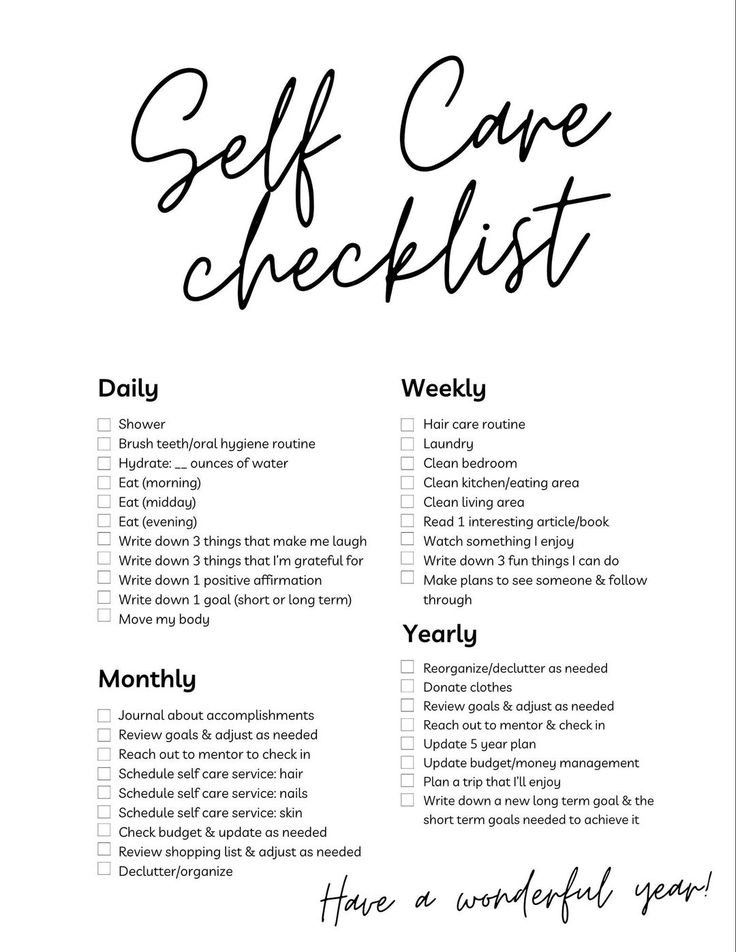
Daily Self-Care Routine

1. Start Your Day with a Morning Routine
Begin each day with a simple morning routine that helps you feel grounded and ready to take on the day. This could include:
• Stretching or Light Exercise: Get your blood flowing with some stretches or a quick workout.
• Healthy Breakfast: Fuel your body with nutritious food.
• Mindfulness Practice: Spend a few minutes meditating, journaling, or simply taking deep breaths.

2. Take Breaks During Study Sessions 
When studying, it’s important to take short breaks to recharge your mind. Try the Pomodoro Technique—work for 25 minutes, then take a 5-minute break. This can help you stay focused and avoid burnout.

3. Stay Hydrated and Eat Well
Drink plenty of water throughout the day and try to eat balanced meals. Your body needs proper nutrition to function at its best, especially when you’re under stress.

4. Get Enough Sleep
Sleep is crucial for your mental and physical health. Aim for 7-9 hours of sleep each night to keep your energy levels up and your mind sharp.

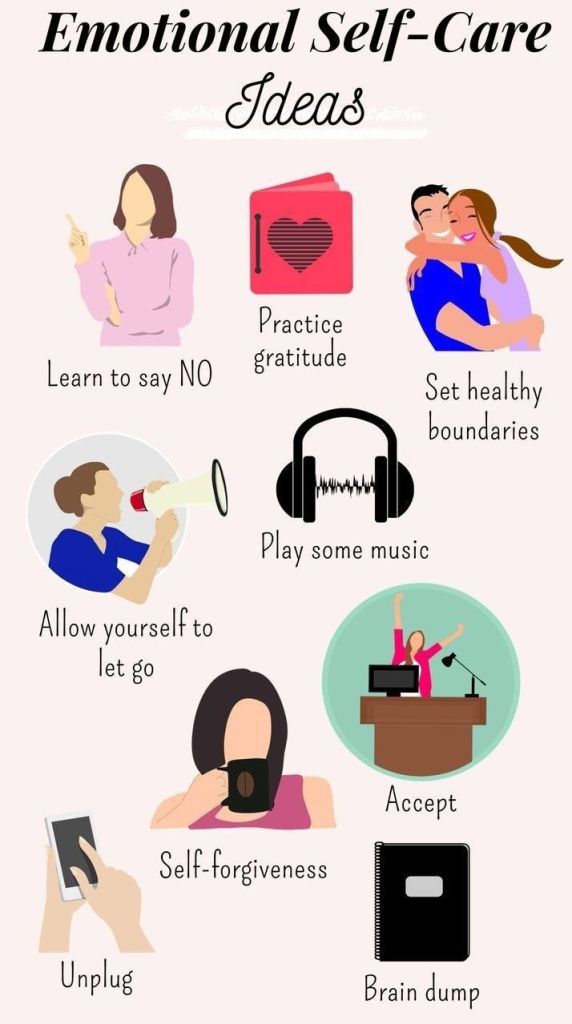
5. Practice Gratitude
End your day by reflecting on the positive things that happened. This could be something small, like a good conversation with a friend, or something bigger, like acing a test. Practicing gratitude can boost your mood and help you maintain a positive outlook.


Weekly Self-Care Routine

1. Plan and Organize Your Week
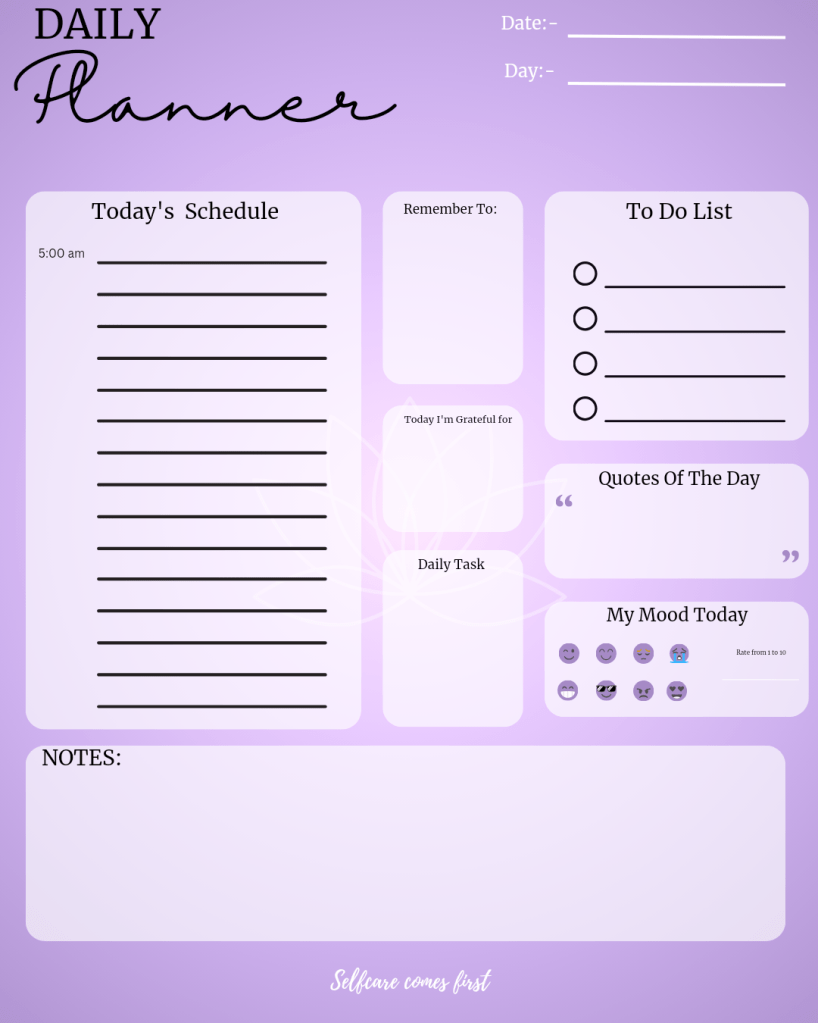
At the start of each week, take some time to plan out your schedule. This includes setting aside time for studying, attending classes, and socializing. Being organized helps reduce stress and ensures you don’t feel overwhelmed.

2. Engage in a Physical Activity You Enjoy
Whether it’s a sport, yoga, or a walk in the park, find an activity that you enjoy and do it regularly. Physical exercise is a great way to relieve stress and boost your mood.

3. Socialize and Connect with Friends
Make time to hang out with friends or call a loved one. Social connections are important for your emotional well-being and can provide support during tough times.

4. Unplug and Relax
Take a break from screens at least once a week. Spend some time outdoors, read a book, or engage in a creative activity like drawing or painting. Disconnecting from technology can help you recharge.

5. Reflect on Your Week
At the end of the week, reflect on what went well and what you can improve on. This practice of self-reflection helps you stay aware of your progress and any areas where you might need to adjust your routines.



Monthly Self-Care Routine

1. Set Monthly Goals
At the beginning of each month, set personal and academic goals. These could be related to your studies, health, or hobbies. Having clear goals gives you direction and a sense of purpose.

2. Treat Yourself
Once a month, treat yourself to something special. This could be a small shopping spree, a movie night, or a day trip to a nearby town. Rewarding yourself for your hard work helps keep you motivated.

3. Declutter Your Space 
Take some time each month to clean and organize your living space. A tidy environment can reduce stress and improve your focus.

4. Check-In with Your Mental Health
Take a moment to assess your mental health. Are you feeling overwhelmed or anxious? If needed, consider talking to a counselor or therapist. It’s important to address any mental health concerns early on.

5. Try Something New
Challenge yourself to try a new activity or learn a new skill each month. This keeps life interesting and helps you grow as a person.


Self-care is essential for maintaining a balanced and fulfilling college life. By incorporating these daily, weekly, and monthly routines, you can manage stress, stay healthy, and enjoy your college experience to the fullest. Remember, taking care of yourself is not a luxury—it’s a necessity.

Continue reading “Self-Care routine for College Students”

A Guide to Balancing your Heart Chakra

The heart is the hub of all sacred places. Go there and roam.” – Bhagawan Nityananda


The Heart Chakra, also known as Anahata, is the fourth primary chakra in our body’s energy system. Located in the center of the chest, it’s the bridge between our lower and upper chakras, connecting our physical and spiritual selves. This chakra is all about love, compassion, and emotional balance. When it is open and balanced, we feel deeply connected to ourselves and others.


Signs of an Imbalanced Heart Chakra

An imbalanced Heart Chakra can manifest in various ways, affecting both our emotional and physical well-being. Here are some common signs:


Emotional Signs:
1. Feelings of Detachment: Struggling to connect with others or feeling isolated.
2. Lack of Empathy: Difficulty in understanding and sharing the feelings of others.
3. Excessive Jealousy: Frequent feelings of envy or resentment.
4. Fear of Intimacy: Avoiding close relationships or fearing vulnerability.

5. Emotional Instability: Mood swings, excessive sadness, or difficulty forgiving.


Physical Signs:
1. Heart Issues: Physical heart problems or circulation issues.
2. Lung Problems: Respiratory ailments, such as asthma or bronchitis.
3. Upper Back Pain: Tension or discomfort in the upper back and shoulders.
4. Immune System Issues: Frequent illness or a weakened immune system.


Balancing the Heart Chakra

Balancing the Heart Chakra can bring about emotional harmony and physical health. Here are some effective ways to heal and balance this vital energy center:

1. Meditation and Visualization: Sit comfortably and focus on your breath. Visualize a green light, the color of the Heart Chakra, glowing in the center of your chest. Imagine this light expanding with each breath, filling your entire being with love and compassion.


2. Affirmations: Use positive affirmations to encourage love and empathy. Examples include: “I am open to love,” “I forgive myself and others,” and “I am connected to all beings.”


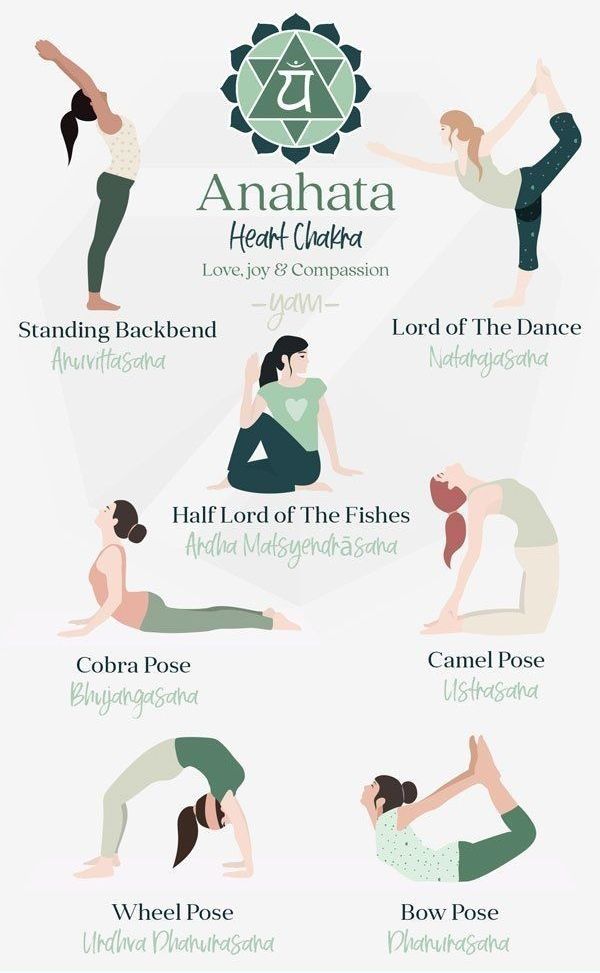
3. Physical Exercise: Engage in heart-opening yoga poses like Camel Pose, Bridge Pose, and Cobra Pose.
Regular physical activity, such as walking or dancing, can also help open your Heart Chakra.


4. Healing Foods: Eat green foods like spinach, kale, broccoli, and green tea.
Incorporate heart-healthy foods such as avocados, nuts, and seeds.


5. Connect with Nature: Spend time outdoors, particularly in green spaces like parks and forests. Engage in activities that connect you to nature, such as gardening or hiking.


6. Practice Gratitude: Keep a gratitude journal and write down things you are thankful for every day. Express your appreciation to others, which helps open your heart to love.


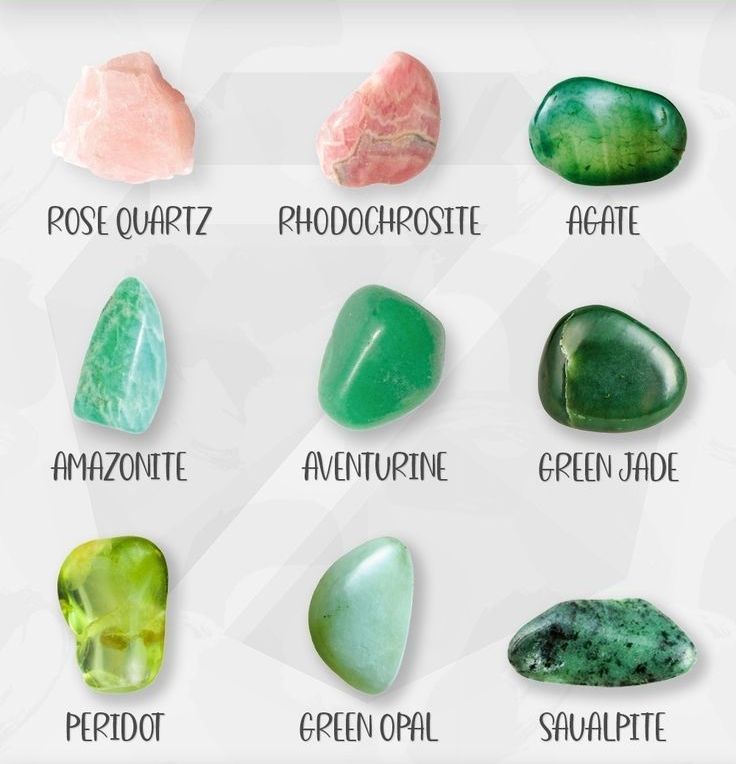
7. Use Crystals: Incorporate heart chakra crystals like rose quartz, green aventurine, and jade into your daily life.
Wear them as jewelry or place them in your living space to promote a balanced Heart Chakra.


Balancing the Heart Chakra is essential for maintaining emotional and physical well-being. By incorporating these simple practices into your daily routine, you can foster love, compassion, and connection in your life. Remember, a balanced Heart Chakra allows you to give and receive love freely, creating a harmonious and fulfilling existence.

Continue reading “A Guide to Balancing your Heart Chakra”

The Ongoing Journey of Self-care


In a world that’s constantly demanding our attention, taking care of ourselves is more important than ever. But what exactly does self-care mean? Is it something you can do once and be done with, or is it a continuous process? Let’s explore the nature of self-care and understand whether it should be a one-time activity or an ongoing commitment.


Understanding Self-Care

Self-care involves activities and practices that we engage in regularly to reduce stress and maintain our well-being. It can include physical activities like exercise, mental activities like meditation, and emotional activities like spending time with loved ones. Self-care is about making time for ourselves to recharge and stay healthy.


One-Time vs. Ongoing Process

Many people might think of self-care as a one-time activity—a spa day, a vacation, or a single act of kindness towards oneself. While these activities are important and can provide immediate relief, they are just a part of a much larger picture.

True self-care is an ongoing process. It’s about incorporating small, consistent habits into our daily lives that contribute to our overall well-being. Think of it like maintaining a garden. You can’t just water it once and expect it to thrive. It requires regular attention, nurturing, and care.


The Benefits of Ongoing Self-Care

Engaging in ongoing self-care has numerous benefits:

1. Physical Health:  Regular exercise, a balanced diet, and adequate sleep are foundational for physical health.


2. Mental Health: Activities like meditation, journaling, or simply taking breaks can help manage stress and improve mental clarity.


3. Emotional Health: Building and maintaining strong relationships, expressing emotions healthily, and setting boundaries are crucial for emotional well-being.

Practical Steps for Ongoing Self-Care

1. Daily Habits: Incorporate small activities into your daily routine. This could be a short walk, reading a book, or enjoying a hobby.


2. Mindfulness: Practice being present in the moment. This helps reduce anxiety and improve mental health.


3. Boundaries: Learn to say no. Protect your time and energy by setting boundaries.


4. Regular Check-ins: Take time to reflect on your needs and adjust your self-care routine accordingly.


Self-care is not a one-time event but an ongoing process. It’s about creating a lifestyle that supports your physical, mental, and emotional health. By making self-care a regular part of your routine, you can build resilience, reduce stress, and enhance your overall well-being. Remember, taking care of yourself is a journey, not a destination. Keep nurturing yourself every day, and you’ll see the benefits unfold over time.

Continue reading “The Ongoing Journey of Self-care”

How to Start Your Self-Care Journey in 2024


Embracing self-care isn’t just a trend—it’s a transformative lifestyle. As we step into a new year, it’s the perfect time to prioritize your well-being.

This blog provides you with practical tips and strategies to initiate and sustain a fulfilling self-care journey in 2024.


1. Understanding Self-Care
What is self-care, and why is it crucial? We’ll delve into the misconceptions, emphasizing how it’s a holistic practice encompassing mental, emotional, physical, and spiritual well-being. It is important to understand the right meaning of self-care.

2. Practical Self-Care Tips
Explore actionable strategies for each facet of self-care. From mindfulness exercises and stress management techniques to nurturing healthy habits like regular exercise, nutritious eating, and quality sleep, discover how small changes can yield significant improvements.

3. The Power of Vision Boards
Introducing the concept of vision boards as a tool for self-care. Learn how to create your own visual representation of aspirations, dreams, and goals, igniting motivation and providing a daily reminder of what truly matters.

4. Incorporating Self-Care Into Daily Life
It’s not just about occasional self-pampering; it’s about consistency. Learn how to weave self-care seamlessly into your routine, even amidst a busy schedule, to ensure it becomes a sustainable habit.

5. The Importance of Boundaries
Setting boundaries is an integral part of self-care. Discover how defining limits in various aspects of life—work, relationships, and personal time—helps preserve your mental and emotional well-being.

Download this free template: https://www.instagram.com/p/CxmdlkXrbuD/?igsh=YnFoeXNidGs2ZW42


Embarking on a self-care journey is an investment in yourself. By prioritizing your needs, you cultivate resilience, joy, and a deeper sense of fulfilment. Remember, self-care isn’t selfish—it’s a necessity that enables you to show up fully in all aspects of your life.

As you step into 2024, let self-care be your guiding light. Start small, stay consistent, and watch as these intentional acts of self-nourishment pave the way to a happier, healthier you.

Your Energy Center- Solar Plexus


Located in the upper abdomen, the solar plexus, or Manipura chakra in Eastern philosophy, is associated with personal power, confidence, and self-esteem. Contributing to your sense of identity and willpower.


Characteristics and Significance

1. Identity and Self-Confidence: This energy center governs how we perceive ourselves and interact with the world. When balanced, it fosters self-assurance and a strong sense of identity.

2. Personal Power: It’s the core of our willpower, influencing our ability to make decisions and take action. A balanced solar plexus helps in asserting oneself positively.

3. Emotional Balance: An imbalance in this chakra can lead to issues like low self-esteem, lack of motivation, or feeling powerless. Conversely, when balanced, it fosters emotional stability and resilience.

Nurturing Your Solar Plexus

1. Mindfulness and Meditation: Practice mindfulness exercises or meditation to connect with and balance this energy center. Visualizations involving a golden light or the warmth of the sun can be particularly helpful.

2. Healthy Lifestyle: Eating nourishing foods, engaging in regular physical exercise, and maintaining a balanced lifestyle can aid in chakra balance.

3. Positive Affirmations: Affirmations that emphasize personal empowerment and confidence can be beneficial in realigning this chakra.

Learn about Sacral Chakra from here 👇

All you need to know about Sacral Chakra


Signs of Imbalance

1. Underactive: Low self-esteem, indecisiveness, lack of confidence.


2. Overactive: Dominating behavior, aggressiveness, or seeking control excessively.

It’s about harnessing your inner strength and cultivating a healthy sense of self to navigate through life’s challenges with grace and determination. Through mindfulness, self-care, and holistic practices, you can keep this vital energy center in harmony, contributing to your overall well-being.

Continue reading “Your Energy Center- Solar Plexus”

Have you ever gone on a solo date?

“Solo date” Have you heard this word?

Yes or No?

🧘‍♀️✨🧖🏽‍♀️ ♡

The idea of a solo date might seem abnormal. However, embarking on a solo date can be a powerful and transformative experience. It’s a chance to connect with oneself on a deeper level, fostering self-discovery, personal growth, and a newfound sense of independence.

A solo date is an intentional outing where an individual chooses to spend quality time alone, engaging in activities that bring them joy, inspiration, and relaxation. It’s an act of self-care, demonstrating an individual’s willingness to embrace their own company and savour the moment without external distractions.


The Fears and Misconceptions

• One of the most common fears associated with solo dates is the fear of being perceived as lonely or socially awkward. However, it’s essential to remember that spending time alone is a sign of self-assuredness and independence, instead of a reflection of one’s social standing.

• There’s a misconception that certain activities, like dining out or going to the movies, are reserved for groups or couples. The reality is that there’s no rulebook dictating who can enjoy these experiences. Adopting a solo date allows you to liberate yourself from societal norms and expectations.


Benefits of a Solo Date

• It allows you to uncover your interests, preferences, and passions without external influences.

• Stepping out of your comfort zone and enjoying your own company can boost self-confidence.

• It teaches you to enjoy your own company and not rely on external validation for contentment.

• Engaging in activities you love, without the pressure of social interactions, can be incredibly liberating. It provides a chance to unwind, relax, and recharge.

• Solo dates offer an opportunity for uninterrupted reflection. Whether it’s journaling, meditating, or simply enjoying, it allows for meaningful reflection.

By embracing the opportunity to enjoy your own company, you can unlock a new level of confidence, independence, and contentment. So, don’t hesitate to embark on a solo date – it might just become one of your most cherished rituals ✨

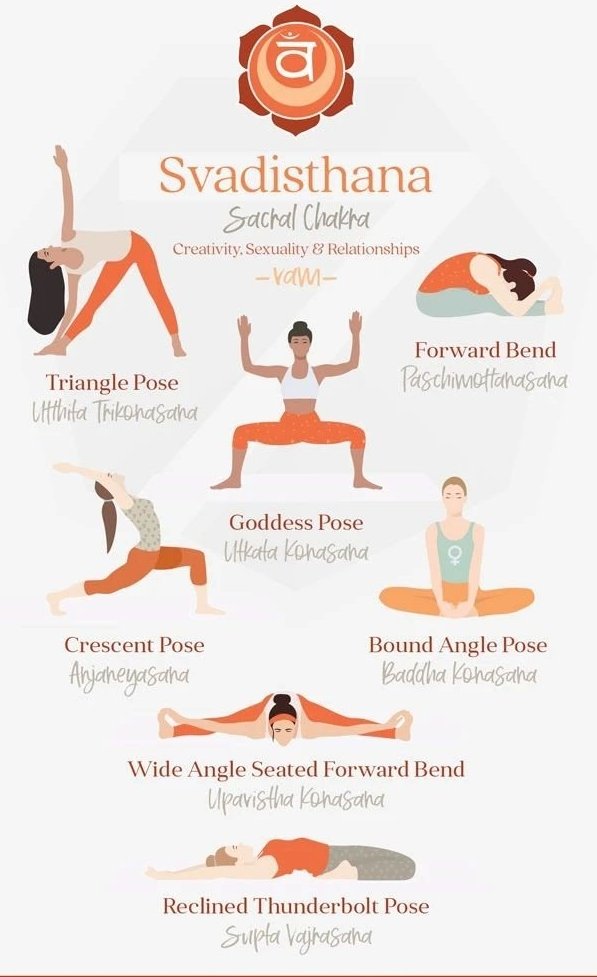
All you need to know about Sacral Chakra


The human body is a complex system of energy centers known as chakras, each associated with specific qualities and emotions. The sacral chakra, also known as Svadhisthana in Sanskrit, is the second chakra located in the lower abdomen, just below the navel. It plays a vital role in our emotional and creative well-being. In this blog, we will delve into the significance of the sacral chakra, its characteristics, and techniques to balance and harmonize it.

If you haven’t read the blog on root chakra here the link👇

Nurturing Your Root Chakra for Balance and Stability


Understanding the Sacral Chakra

The sacral chakra is often described as the seat of emotions, creativity, and sensuality. It is associated with the element of water, symbolizing fluidity, adaptability, and the free flow of energy. This chakra governs our ability to experience pleasure, connect with others on an intimate level, and tap into our creative potential.

Sacral Chakra Symbol


Key Characteristics:

1.Emotional Balance: The sacral chakra is closely linked with our emotions. When balanced, it allows us to express ourselves freely, experience joy, and handle challenges with resilience.

2.Creativity and Passion: This chakra fuels our creative impulses, enabling us to generate new ideas, appreciate art, and engage in activities that bring us joy.

3.Sensuality and Intimacy: It influences our capacity for intimacy and sensuality, fostering healthy relationships and a deeper connection with our bodies.

4.Fertility and Reproductive Health: The sacral chakra is associated with the reproductive system, influencing fertility and overall reproductive health.


Signs of Imbalance:

An imbalance in the sacral chakra can manifest in various ways:

1. Emotional Instability: Mood swings, excessive sensitivity, or emotional numbness.

2. Lack of Creativity: A feeling of creative stagnation or a disconnect from artistic expression.


3. Difficulty in Intimacy: Struggles with forming deep connections or a fear of vulnerability.

4. Reproductive Issues: Irregular menstrual cycles, sexual dysfunction, or fertility problems.


Balancing the Sacral Chakra

1. Meditation and Visualization: Practice meditation focusing on the sacral chakra while listening to 417 Hz frequency. Visualize a warm, orange light radiating from the area below your navel, cleansing and energizing the chakra.


2. Yoga and Movement: Engage in yoga poses that stimulate the sacral chakra, such as hip-opening asanas like Pigeon Pose or Butterfly Pose.


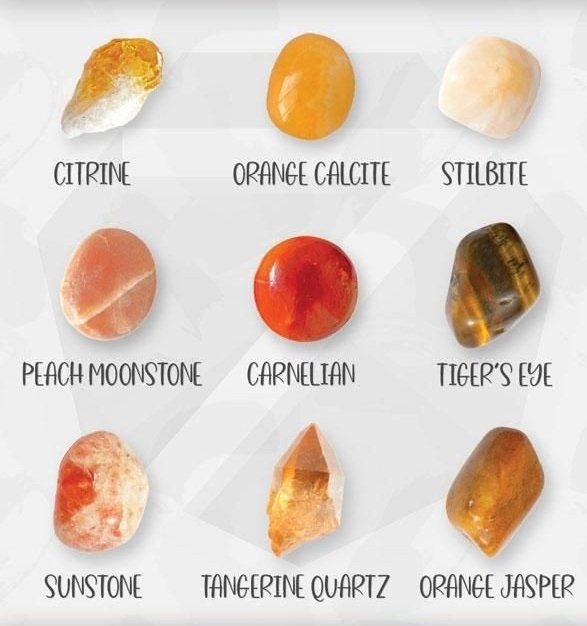
3. Crystal Healing: Crystals like carnelian, orange calcite, and amber are known to resonate with the sacral chakra. Placing them on the lower abdomen during meditation can help restore balance.


4. Aromatherapy: Essential oils like orange, ylang-ylang, and sandalwood can be used to stimulate and balance the sacral chakra.


5. Emotional Expression: Engage in activities that allow you to express your emotions, such as painting, dancing, or journaling.


Incorporating practices like meditation, yoga, and crystal healing into our daily routine can help us maintain a healthy and harmonious sacral chakra, leading to a more balanced and enriched life.

Nurturing Your Root Chakra for Balance and Stability

Our body consists of 7 chakras. These are root chakra, sacral chakra, solar plexus chakra, heart chakra, throat chakra, third eye chakra, crown chakra.

In this blog we’ll talk about the imbalancing of the root chakra and how you can heal it.

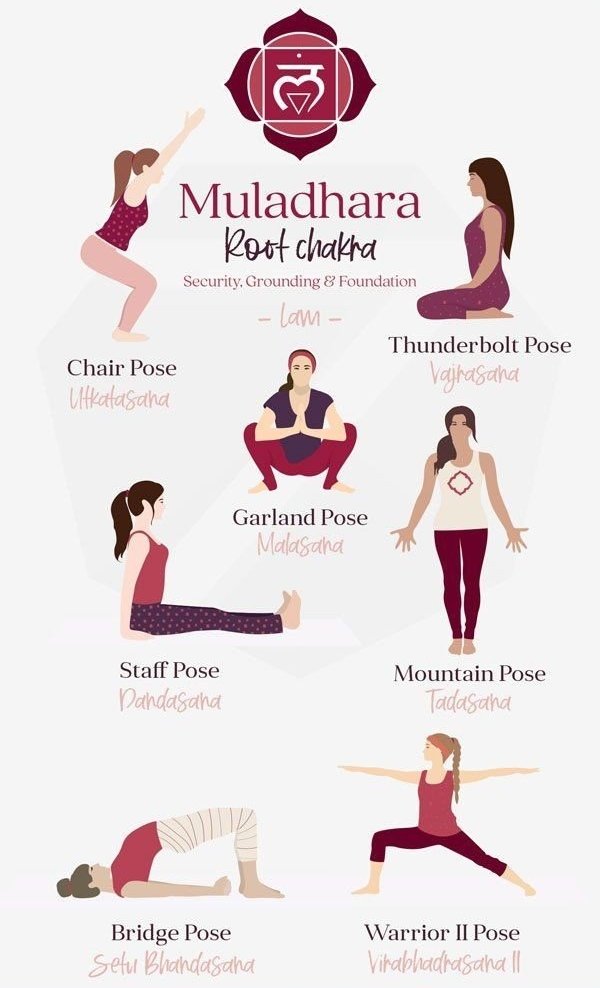
The first chakra is the root chakra. In Sanskrit, it is called Muladhara. It is located at the base of the spine and represents the foundation of life and safety/stability. The root chakra is blocked by the fear of death, the feeling of not belonging, and the fear of being weak, feeling anxious, and ungrounded. It can get overactive when a person becomes aggressive, greedy, and has a lust for power.

How can you heal your root chakra? It’s simple.

1:- Yoga – yoga poses that focus on the legs and feet can help to stimulate the root chakra.

2:- Crystals – crystals such as red jasper, carnelian, red goldstone and obsidian can help to balance the root chakra.

3:- Journaling – practising journal prompts like shadow work helps to work on deep-rooted issues.

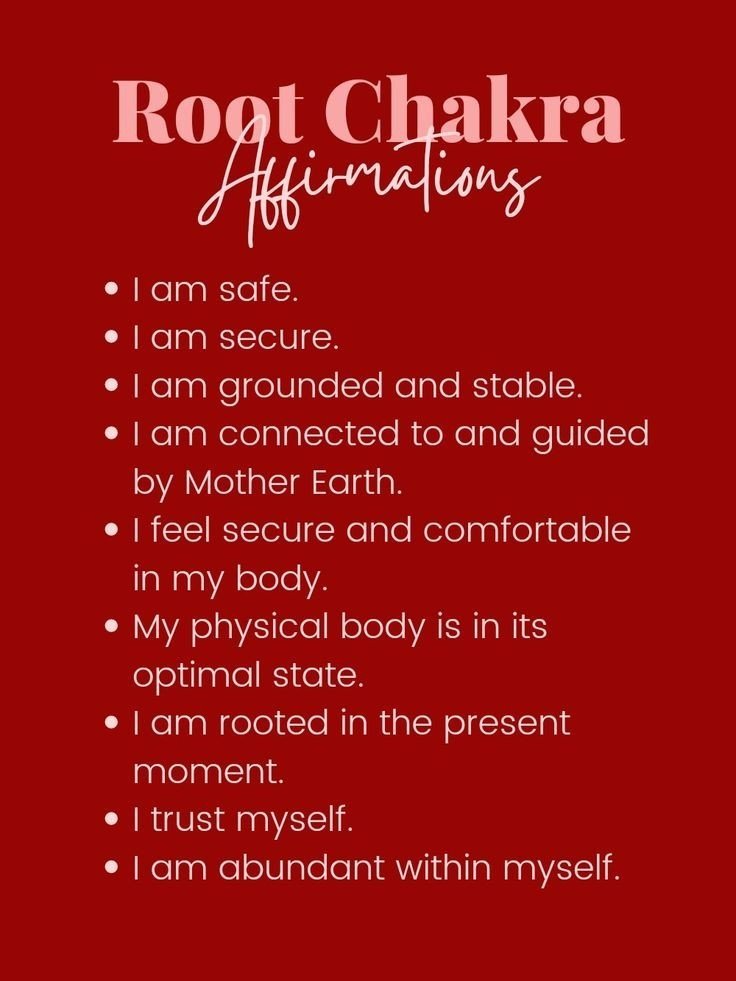
4:- Affirmations – focus on affirmations specifically that are dedicated to helping you feel grounded, secure, stable, centred, peaceful and calm.

5:- Meditation – use meditation to connect with your foundation and to breathe calm, stability, strength and peace into every cell of your body.

6:- Food – red apples, strawberries, red bell pepper, tomato, berries etc can be consumed to heal your root chakra.

Comment your favourite affirmation 👇

Benefits of spending time with yourself

In this bustling world where everyone is busy in their lives, trying hard to become the best version of themselves, competing with others,etc. We spend all our time either on others or with others. It’s good to spend your time with family and friends but what about you. You also need to spend some time with yourself where there is only you & you & your thoughts and nobody else.

So, this blog will serve you with the benefits of spending time with yourself.


1.Self-Discovery: Spending time alone allows you to explore your interests, passions, and desires without external influence. It fosters self-awareness and helps you understand your true self.

2.Reduced Stress: It grants you the space to decompress, leading to reduced stress levels and improved mental health.


3.Enhanced Creativity: Alone time stimulates creativity. It encourages introspection and allows your mind to wander, paving the way for innovative thinking and problem-solving.

4.Improved Relationships: Time spent alone can lead to stronger relationships. Understanding oneself better leads to healthier interactions with others, fostering deeper connections.


5.Increased Productivity: Solitude offers a focused environment. It’s an ideal setting for tackling tasks, honing skills, and pursuing personal projects without distractions.

6.Emotional Resilience: Being comfortable with your own company builds emotional resilience. It teaches you to rely on yourself, making you more adaptable in various life situations.


7.Stress-Free Reflection: It allows you to evaluate your goals, values, and aspirations, paving the way for personal growth.

8.Mindful Living: Alone time promotes mindfulness. It encourages you to be present in the moment, savoring life’s simple pleasures and cultivating gratitude.

Continue reading “Benefits of spending time with yourself”

The Healing Power of Nature

This blog explores the profound impact nature has on our physical, mental, and emotional well-being, and why reconnecting with the natural world is more essential than ever.


Stress Reduction and Mental Clarity: Studies have shown that spending time in nature reduces cortisol levels, the hormone associated with stress. The gentle rustling of leaves and the soothing sounds of flowing water have a calming effect on our minds, promoting mental clarity and relaxation.

Boosting Immune Function: Exposure to nature is linked with increased immune function. The fresh air, rich in phytoncides released by trees, strengthens our body’s defense mechanisms, making us less susceptible to illness.


Physical Well-being and Exercise: Nature provides the perfect backdrop for physical activity. Whether it’s hiking, cycling, or even a leisurely stroll, engaging in outdoor activities promotes cardiovascular health, improves stamina, and helps maintain a healthy weight.


Enhances Mood and Emotional Well being : Natural environments stimulate the production of endorphins, the brain’s “feel-good” chemicals. This leads to an improved mood and a reduction in symptoms of anxiety and depression.


Restoring Mental Fatigue and Increasing Productivity: Exposure to nature has been proven to reduce mental fatigue and increase cognitive function. Taking short breaks in a natural setting can enhance focus and productivity, making us more efficient in our tasks.

Connecting with the Earth’s Rhythms: Immersing ourselves in nature allows us to synchronize with the natural rhythms of the Earth. This connection instills a sense of grounding, balance, and harmony, fostering a profound sense of well-being.

Inspiration and Creativity: Nature has been a wellspring of inspiration for artists, writers, and innovators throughout history. The beauty and complexity of the natural world ignite creativity and allow for fresh perspectives.


Conclusion:

In a world dominated by screens and schedules, it’s easy to forget the profound impact that nature can have on our well-being. From reducing stress levels to boosting immune function and inspiring creativity, the healing power of nature is a timeless remedy that we must not underestimate. By taking the time to reconnect with the natural world, we can restore balance, find solace, and enhance our overall quality of life. So, let’s step outside, breathe in the fresh air, and let nature work its magic on our mind, body, and soul.

Continue reading “The Healing Power of Nature”