In a world that’s constantly demanding our attention, taking care of ourselves is more important than ever. But what exactly does self-care mean? Is it something you can do once and be done with, or is it a continuous process? Let’s explore the nature of self-care and understand whether it should be a one-time activity or an ongoing commitment.
Understanding Self-Care
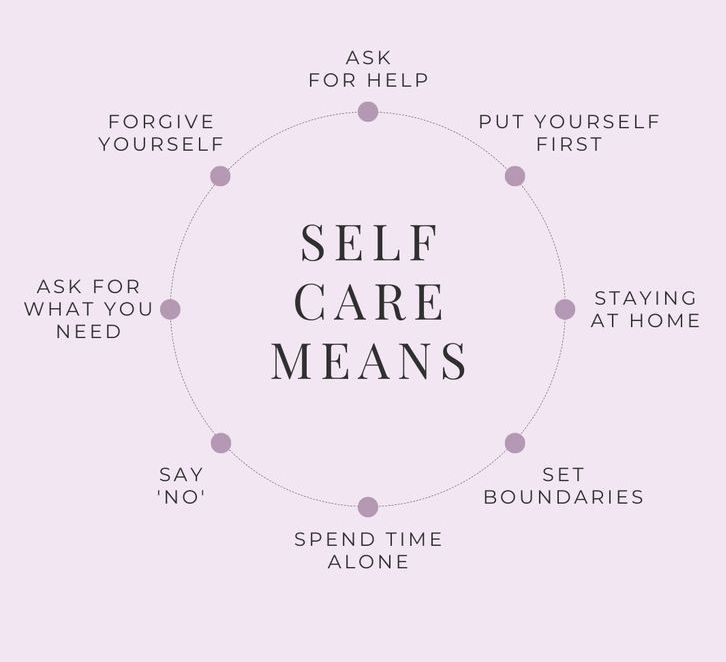
Self-care involves activities and practices that we engage in regularly to reduce stress and maintain our well-being. It can include physical activities like exercise, mental activities like meditation, and emotional activities like spending time with loved ones. Self-care is about making time for ourselves to recharge and stay healthy.
One-Time vs. Ongoing Process
Many people might think of self-care as a one-time activity—a spa day, a vacation, or a single act of kindness towards oneself. While these activities are important and can provide immediate relief, they are just a part of a much larger picture.
True self-care is an ongoing process. It’s about incorporating small, consistent habits into our daily lives that contribute to our overall well-being. Think of it like maintaining a garden. You can’t just water it once and expect it to thrive. It requires regular attention, nurturing, and care.
The Benefits of Ongoing Self-Care
Engaging in ongoing self-care has numerous benefits:
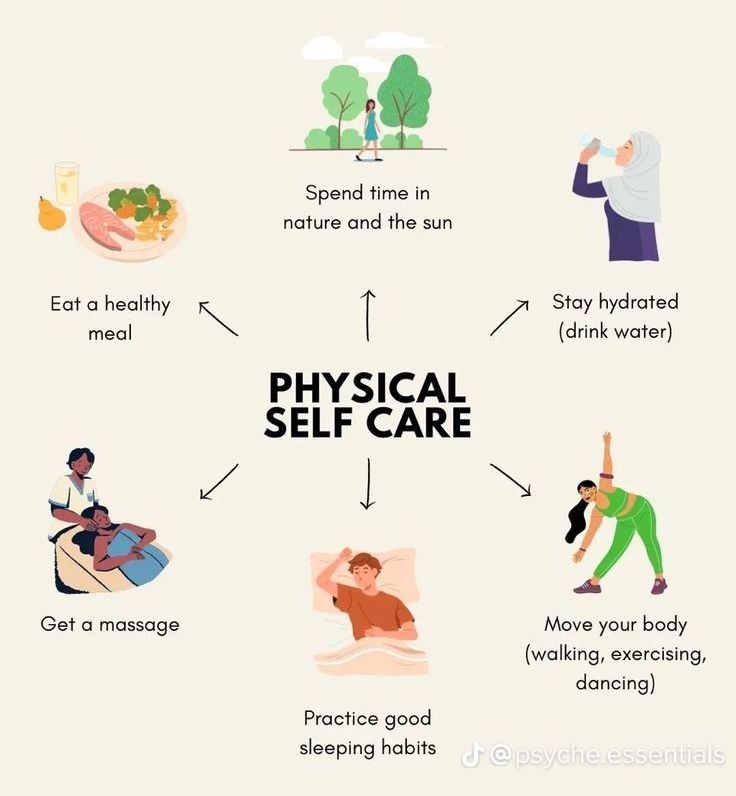
1. Physical Health: Regular exercise, a balanced diet, and adequate sleep are foundational for physical health.
2. Mental Health: Activities like meditation, journaling, or simply taking breaks can help manage stress and improve mental clarity.
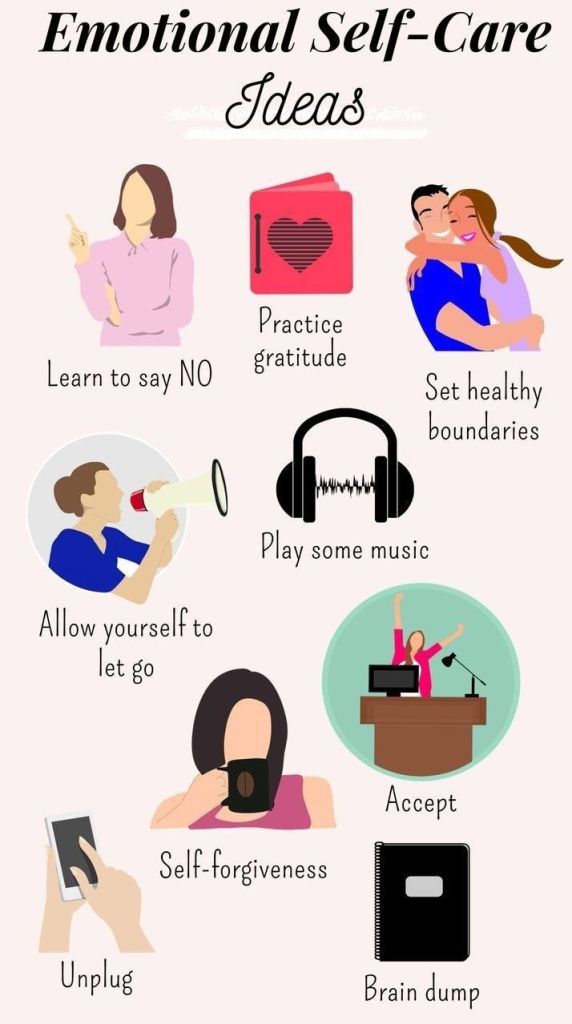
3. Emotional Health: Building and maintaining strong relationships, expressing emotions healthily, and setting boundaries are crucial for emotional well-being.
Practical Steps for Ongoing Self-Care
1. Daily Habits: Incorporate small activities into your daily routine. This could be a short walk, reading a book, or enjoying a hobby.
2. Mindfulness: Practice being present in the moment. This helps reduce anxiety and improve mental health.
3. Boundaries: Learn to say no. Protect your time and energy by setting boundaries.
4. Regular Check-ins: Take time to reflect on your needs and adjust your self-care routine accordingly.
Self-care is not a one-time event but an ongoing process. It’s about creating a lifestyle that supports your physical, mental, and emotional health. By making self-care a regular part of your routine, you can build resilience, reduce stress, and enhance your overall well-being. Remember, taking care of yourself is a journey, not a destination. Keep nurturing yourself every day, and you’ll see the benefits unfold over time.
How to Start Your Self-Care Journey in 2024
Have you ever gone on a solo date?
Benefits of spending time with yourself

 selfcarehints