In a world characterized by constant stimulation and multitasking, stress has become an almost inevitable part of our lives. Amid the hustle and bustle, the practice of mindfulness offers a sanctuary of calm and a powerful tool for managing stress. In this blog, we’ll delve into mindfulness practices and explore how they can be harnessed to reduce stress, promote emotional well-being, and enhance overall quality of life.
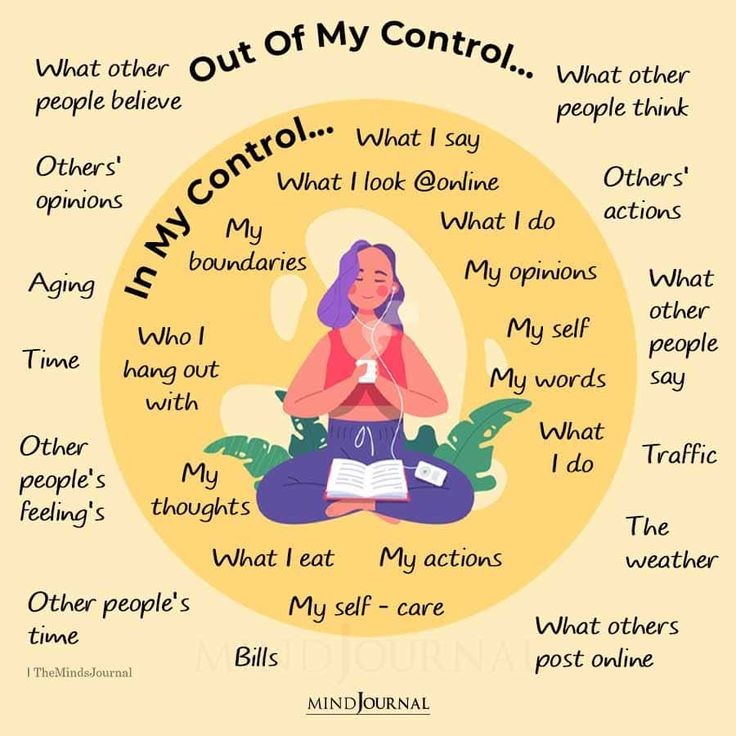
1. Understanding Mindfulness:
Mindfulness is the art of being fully present in the moment, without judgment. It involves paying attention to your thoughts, emotions, bodily sensations, and surroundings without getting entangled in them. This practice encourages you to observe your experiences with openness and curiosity, fostering a deeper connection to the present.
2. Mindful Breathing:
One of the foundational mindfulness practices is mindful breathing. By directing your focus to your breath, you can anchor yourself in the present moment and create a sense of calm. Try inhaling deeply through your nose, feeling your abdomen rise, and then exhaling slowly through your mouth. This simple practice can be done anywhere, anytime, making it an accessible stress-reduction tool.
3. Body Scan Meditation:
The body scan meditation involves progressively focusing your attention on different parts of your body. As you scan from head to toe, notice any sensations, tensions, or discomfort. This practice not only helps you become more attuned to your body but also promotes relaxation and releases physical tension associated with stress.
4. Mindful Observation:
Engage in mindful observation by immersing yourself fully in the details of your surroundings. Choose an object—a flower, a piece of art, or even a cup of tea—and explore it with all your senses. This practice shifts your attention away from worries and anchors you in the beauty of the present moment.
5. Mindful Walking:
Transform your daily walk into a mindfulness practice. Focus on the sensation of your feet making contact with the ground, the rhythm of your breath, and the sights and sounds around you. Walking mindfully can help clear your mind, reduce stress, and enhance your connection to the world around you.
6. Practicing Non-Judgment:
A cornerstone of mindfulness is non-judgmental awareness. When negative thoughts or emotions arise, observe them without labeling them as good or bad. Instead of resisting or getting carried away, acknowledge them with compassion and let them pass. This approach can break the cycle of rumination and reduce stress.
7. Mindful Eating:
Eating mindfully involves savoring each bite, paying attention to flavors, textures, and sensations. Put away distractions and immerse yourself in the act of eating. This practice not only enhances your enjoyment of food but also encourages a healthier relationship with eating and reduces stress-related emotional eating.
Conclusion:
In a world where stress can easily overwhelm us, mindfulness practices offer a haven of tranquility and empowerment. By cultivating mindfulness through practices like mindful breathing, body scan meditation, and mindful observation, you can reduce stress, enhance emotional well-being, and improve your overall quality of life. Remember that mindfulness is a skill that takes time to develop, so be patient and gentle with yourself as you embark on this journey of self-discovery and stress reduction. With each moment of mindfulness, you’re taking a step toward a calmer and more balanced existence in our chaotic world.

 selfcarehints